

Robin’s Blog Eight part 2?
Understanding the research
The research side of the Row could well prove to be the most significant part of the project. It has the potential to shape and redefine future research by proving that Parkinson’s is not just a neurological condition, but also a metabolic one. Professor Helen Dawes from Oxford Brookes University, who will be heading up the research, explains…
“It is 200 years since James Parkinson wrote an essay on the shaking palsy, now known as Parkinson’s disease. Parkinson’s is a devastating condition making it gradually more difficult to move directly affecting a number of essential everyday activities such as walking and speaking. Parkinson’s also affects other bodily systems causing a range of symptoms including interrupted sleep, disabling fatigue and apathy which interfere with thinking and other daily functioning. There is no cure and we do not know what causes the condition. The number of people affected is growing. The condition is mainly treated with drugs and exercise.
Exercise is known to benefit neuromuscular, cardiovascular and metabolic systems. In people with Parkinson’ exercise improves motor and non-motor symptoms but not fatigue. Anecdotally endurance events help to reduce the amount of medication required, but we do not know why. Further, we have observed an abnormal neuromuscular, metabolic and cardiovascular response to exercise in people with Parkinson’s with the metabolic dysfunction not improving in response to standard exercise programs suggesting that Parkinson’s, instead of being a neurological disorder, may also be a metabolic disorder.
Drug therapy does not cure the disease only maintaining functioning for longer. To date exercise approaches have been standard (mainly 150 minutes of aerobic/strengthening exercise a week). The row will involve continual rowing; two hours on and two hours off for ~ 12 weeks. Fewer people have rowed the Indian Ocean than have gone into space! The ultra-endurance activity performed during the Indian Ocean row will provide a unique opportunity to unpick the effect of prolonged endurance/aerobic exercise on neuromuscular, cardiovascular and metabolic systems in both a healthy person and a person with Parkinson’s of the same age. If our observations are as we predict, this could help revolutionise understanding and therapeutic approaches. In short we will understand if and how activity can help and how much activity is needed.
In this event new technology now means we have the opportunity to measure systems before during and after the row. For the first time we will be able to understand if and how a person with Parkinson’s improves the automaticity of their movement, their metabolic functioning and the regulation of their heart and lungs. We will also see when the changes start to occur. Importantly we will see if a boat with a person with Parkinson’s can beat the world record!
What tests would we see? How will you monitor Robin’s progress – pre, during and post?
During the row we will monitor changes of motor control using state of the art objective analysis of movement from the video footage. Using the same cameras, we will be able to enlarge aspects of the video to simultaneously look for responses in the cardiovascular, respiratory and metabolic systems. We will have 24/7 monitoring throughout with simultaneous visual recordings of how Robin is feeling, his levels of fatigue and motivation and any other symptoms. As such, we will capture the neuromuscular, cardiovascular and metabolic changes as they occur.
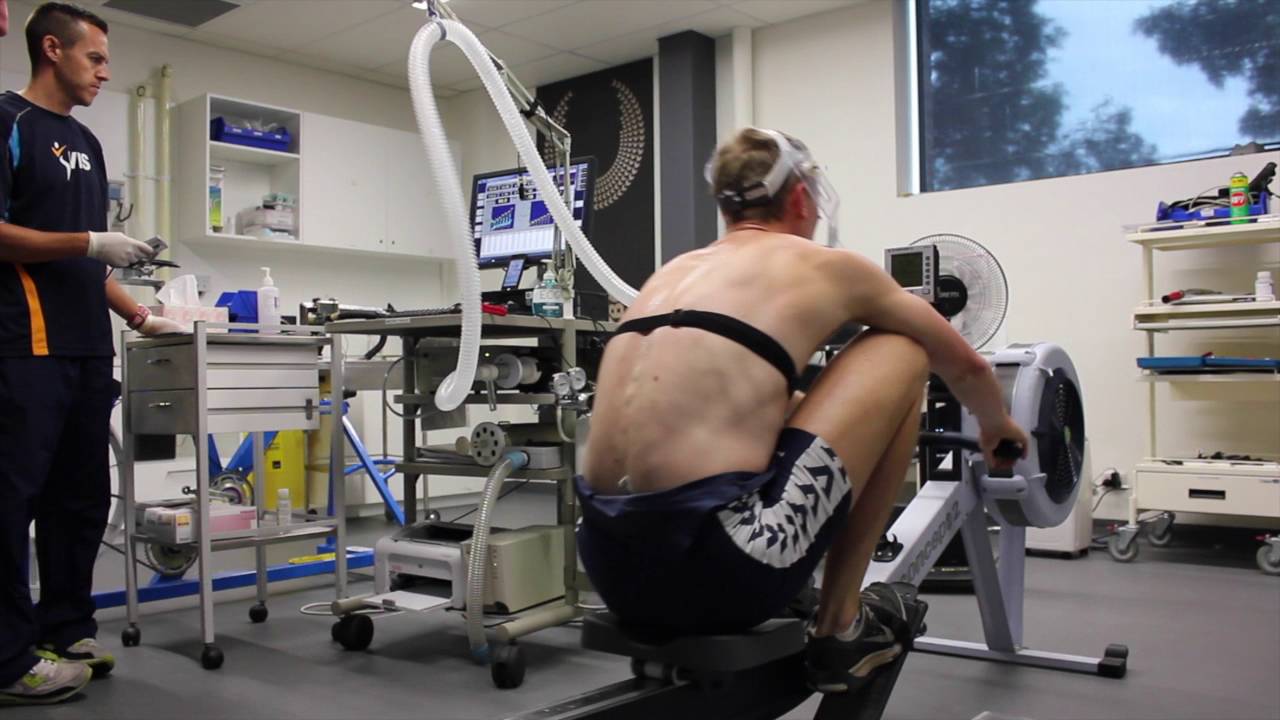
Before and after the row we will use mobile brain imaging, Near Infra-Red Spectroscopy to determine motor control during rowing to see if Robin is able to move similarly to Billy and how his brain controls this movement. We will also measure his exercise response and recovery using the testing system used in athletes, and the metabolic functioning of his cells using state of the art cell, micro vesicle, metabolic and mitochondrial functioning methodology.
We will carefully support Robin and the crew to train and participate in the row. We have analysed exercise responses and diet and will be recording activity, any symptoms and the dietary intake of the men before and during the row using food diaries, to ensure adequate nutrient intake during this time. Alongside this, we will measure nutritional status through blood markers of inflammation and of antioxidant/ oxidative stress, which are responsive to diet changes. Also measures such as plasma albumin which is a marker of malnutrition will be assessed after the row.
Prior to the row we have seen that Robin has an altered control of movement and exercise response. We expect that the ultra-endurance exercise event should cause changes in cardiovascular, neuromuscular, immune and metabolic systems. Provisional findings suggest that responses are altered. Findings could result in a whole new understanding of the condition.
How quickly will you know the results post the row? Will you do any testing in Mauritius?
We will do the testing as soon as possible. We could test in Mauritius or as soon as he flies back. It needs to be within a week ideally… We could get results from the row during the row and results after the row within a week. Trying to keep costs down
What is the best result you could hope for?
Currently the condition is treated with medication and exercise. If we find that the condition is a metabolic disorder we will revolutionise thinking regarding preventing and curing the disease and developing new drug therapies. We will find out if prolonged movement results in people regaining motor control which will initiate a new approach to exercise interventions that may reduce symptoms of fatigue whilst still improving movement and function.
In people with Parkinson’ exercise improves motor and non-motor symptoms but not fatigue. Anecdotally endurance events help to reduce the amount of medication required, but we do not know why. Further, Oxford Brookes University have observed an abnormal neuromuscular, metabolic and cardiovascular response to exercise in people with Parkinson’s with the metabolic dysfunction not improving in response to standard exercise programs suggesting that Parkinson’s, instead of being a neurological disorder, may also be a metabolic disorder.
The row will involve continual rowing; two hours on and two hours off for 12 weeks. The ultra-endurance activity will provide a unique opportunity to unpick the effect of prolonged endurance/aerobic exercise on neuromuscular, cardiovascular and metabolic systems in both a healthy person and a person with Parkinson’s of the same age. If our observations are as we predict, this could help revolutionise understanding and therapeutic approaches. In short we will understand if and how activity can help and how much activity is needed”.
As a crew we are all hugely honoured and excited by the potential change in understanding that we may help to bring about with the row. It is incredibly important to us and we hope that you will continue to follow the row.
Related posts


